Discover the Crucial Services Offered by a Professional Arborist for Maintaining Healthy Trees
A professional arborist provides numerous services crucial for maintaining healthy trees and enhancing landscapes. Their expertise in tree pruning stimulates development and minimizes threats. They also identify and treat tree diseases, making sure personalized treatments are implemented - Florence Arborist. Additionally, arborists handle safe tree removals and help with planting and transplanting. Their role is especially important during emergencies such as storm damage. Understanding these services can profoundly influence one’s approach to tree care
The Value of Tree Pruning
Although many homeowners often neglect the importance of tree pruning, it plays an essential role in maintaining the health and aesthetics of trees. Correct pruning assists trees in building a robust structure, eliminating dead or infected limbs that could pose risks. By selectively trimming branches, the tree can direct its energy on healthy growth, promoting better air circulation and sunlight penetration. Additionally, pruning can enhance the overall appearance of the tree, forming it for visual beauty in residential landscapes.
Moreover, regular pruning can avoid possible dangers, such as limbs falling during storms or high winds, which could damage property or injure individuals. It also assists in avoiding of insect problems and diseases by enhancing the tree's hardiness. Ultimately, investing in professional arborist services for tree pruning guarantees that trees remain healthy, safe, and attractive, adding significantly to the overall beauty and value of the property.
Diagnosing and Managing Tree Diseases
Tree health can be greatly compromised by a range of diseases that may not always be instantly obvious. A professional arborist plays an essential role in identifying these issues promptly, utilizing a combination of visual inspections and testing equipment. Symptoms such as leaves changing color, wilting, or unusual growth patterns often indicate hidden health problems. Arborists evaluate these signs to identify specific diseases, whether fungal, bacterial, or viral in nature.
Following the diagnosis, the tree specialist creates a specific treatment strategy. The plan often involves focused interventions, such as bactericides or fungicides, and cultural practices that improve the tree's strength. Furthermore, adequate irrigation, mulching, and feeding can significantly boost the vitality of the tree and resistance to diseases. Regular monitoring and further interventions are essential for successful control, ensuring the longevity and health of the trees. By addressing tree diseases proactively, arborists help maintain the ecological advantages and visual appeal of thriving trees.
Guidelines for Safe Tree Removal
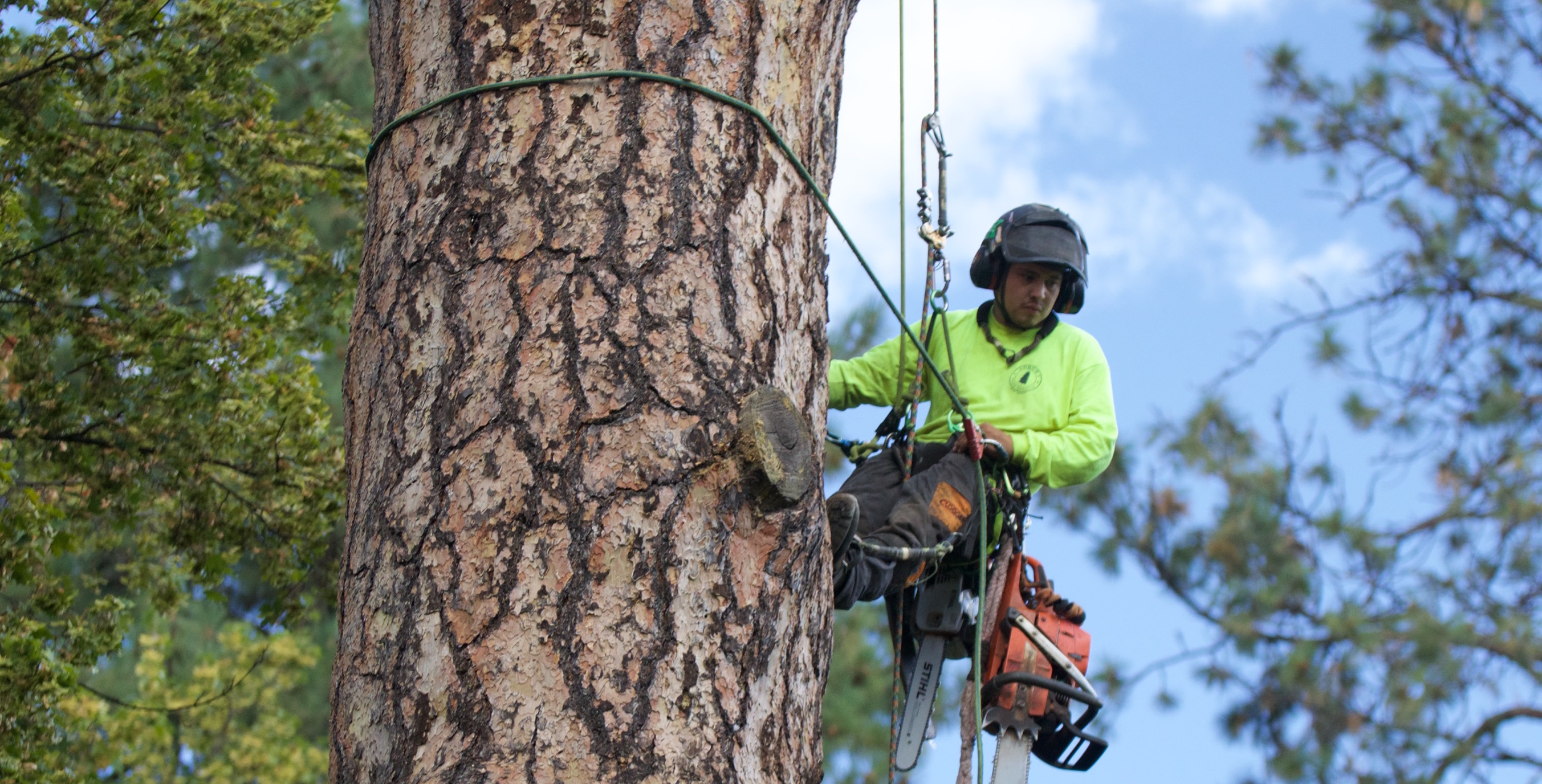
Effective tree removal practices are critical for securing the safety of the crew and limiting harm to surrounding property. Expert tree specialists conduct a thorough assessment of the state of the tree, where it is situated, and the immediate vicinity before proceeding with removal. Arborists use specific tools, such as chainsaws and rigging gear, to guarantee precise cuts and control during the felling process.
A carefully designed extraction plan includes identifying potential hazards, such as nearby buildings or utility lines, which can impact the safety of the operation. Arborists often use a technique called "sectional dismantling," where the tree is cut down in smaller segments, reducing the risk of falling debris.
Furthermore, professionals comply with municipal guidelines to guarantee compliance and responsible environmental care. Following the extraction, proper cleanup and disposal of the remaining wood and brush, stump removal being included, help improve the overall security and aesthetics of the property.
Planting and Transplanting Trees
Planting and transplanting trees demands close attention of choosing the location and installation methods to ensure future vitality and successful establishment. An appropriate setting greatly affects a tree's development, and correct installation techniques reduce trauma and promote successful establishment. Arborists emphasize these factors as essential for enhancing the health and lifespan of trees in various settings.
Selecting an Appropriate Site
Choosing the right location for relocating or establishing trees is vital for their future development and vitality. Factors such as soil quality, the amount of sun, and water runoff must be thoroughly assessed. Professional arborists examine the specific site conditions, to guarantee that the chosen spot offers sufficient nourishment and stability for the specific tree type. In addition, the closeness to current buildings and surrounding flora is essential to stop the fight for nutrients and avoid potential damage. Arborists also consider the tree’s maximum height and width and root system, ensuring sufficient space for growth. Via an in-depth assessment of the location, these professionals assist customers choose wisely that foster robust, flourishing trees, ultimately enhancing the landscape’s aesthetic and ecological value.
Proper Techniques for Installation
Once the site has been carefully assessed and selected, the next step involves using optimal methods for planting trees. Meticulous digging of the hole is essential; it should be two times wider than the root mass and not deeper than the root mass. The plant must be positioned in the opening so that the top of the root ball is level with the existing grade. Backfill with native soil, checking that all voids are filled, and irrigate completely to help the roots settle in initially. Applying mulch at the bottom assists in keeping water in and keep weeds down. Florence Arborist. When relocating established trees, care must be taken to reduce root trauma and transplant during dormancy for the greatest likelihood of thriving. Following these techniques fosters healthy growth and longevity
Emergency Response to Storm Damage

When major tempests hit, the aftermath can leave trees in perilous conditions, endangering structures and security. Professional arborists play a vital role in crisis management, assessing trees harmed by the storm to gauge their soundness and condition. Their expertise allows them to identify which plants can be saved and which present immediate dangers that need to be taken down.
Equipped with specialized tools, tree experts are able to securely trim fractured limbs and remove wreckage, reducing additional harm to surrounding areas. Arborists also offer helpful guidance on preventive measures, such as choosing sturdy types of trees for future planting.
In addition to immediate response, arborists help homeowners understand the key resource possible lasting consequences of the storm, providing advice for restoration and healing. By acting swiftly and efficiently, these experts do more than just secure homes but also contribute to the restoration of the local environment once the tempest has passed.
Tree Nutrition and Ground Care
Subsequent to storm damage, the priority becomes the health of remaining trees, underscoring the importance of nutritional support and ground care. A certified tree specialist checks soil conditions and tree health to ascertain exact dietary needs. Trees must have essential nutrients, such as nitrogen, phosphorus, and potassium, to heal and grow strong post-stress incidents.
Ground care is crucial for how nutrients are accessed and root development. Experts might advise ground improvements, including organic matter, to boost the ground's composition and microbial activity. The correct pH balance are also evaluated, as they impact how nutrients are absorbed.
Using mulching methods can help the soil hold water and prevent weed growth, making a suitable condition for the tree's recuperation. Through the creation of a comprehensive nutrient strategy and implementing effective soil management strategies, arborists guarantee trees regain strength, resilience, and total well-being, vital for maintaining a balanced ecosystem following major environmental events.
Questions and Answers
How Often Should I Have My Trees Inspected?
Trees should be checked once a year for peak health. Nevertheless, more regular inspections may be necessary for younger trees, post-major weather incidents, or if they show signs of stress or sickness.
What Qualifications Should I Look for in an Arborist?
In your search for a tree expert, one should prioritize certifications such as ISA (the ISA) accreditation, proven track record, proper liability insurance, and a strong reputation within the community, confirming knowledge in arboriculture and safe procedures.
Do Arborists Utilize Special Equipment for Tree Care?
Arborists employ various specialized tools for tree care, including chainsaws, pruning shears, climbing gear, and stump grinders. Each tool serves a specific purpose, ensuring effective maintenance, pruning, and tree extraction while promoting overall health and safety.
What is the Influence of Climate on Tree Health?
Weather conditions greatly impact tree health; heavy rainfall may result in root rot, while lack of water weakens trees. Harsh weather conditions often result in harm to leaves and branches, ultimately affecting growth, sturdiness, and total vitality of the trees.
Am I able to care for my trees personally, or Should I Hire a Professional?
Although certain simple tree maintenance jobs can be performed by individuals, it's often wise to employ a professional - Florence Arborist. Trained individuals carry specialized equipment and knowledge, ensuring that trees receive the proper care necessary for optimal development and health